Raising Standards in Substance Misuse Services: How TECWorks Is Supporting Providers After CQC Inspections
In 2025, the Care Quality Commission (CQC) intensified its inspection regime for substance misuse services across England, introducing the Single Assessment Framework (SAF). This new model replaces the previous Key Lines of Enquiry (KLOEs) with 34 Quality Statements, demanding clearer, broader, and more dynamic evidence of care quality, with a much greater emphasis on people’s experience of accessing care and support services.
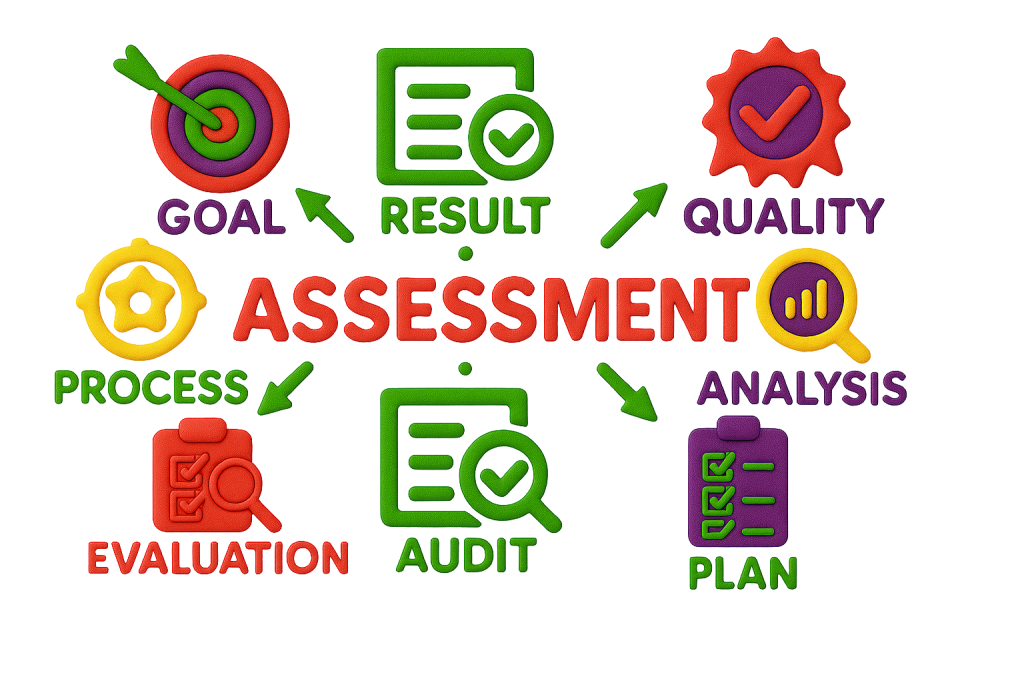
CQC Inspection Findings: Key Issues
Recent inspections of substance misuse services are revealing recurring concerns across substance use provision, that pose real risks to service users and staff, these include:
CQC Inspection Findings: Inadequate Risk Assessments
Providers lacked robust admission protocols, especially in detox services. Complexities such as pregnancy, homelessness, and co-occurring disorders were not consistently identified or managed.
CQC Inspection Findings: Non-Compliance with NICE Guidelines
Services often failed to follow NICE guidance for withdrawal management. Use of validated tools like SADQ and AUDIT was inconsistent, and medication protocols were poorly documented.
CQC Inspection Findings: Unsafe Medicines Management
Controlled drugs were sometimes stored insecurely, and staff lacked training in opioid substitution therapies and detox medications—critical for safe medical detox support.
Staffing and Training Gaps in Substance Misuse Compliance
Inspections found gaps in staffing levels, incomplete employment checks, and weak supervision systems, undermining safe and effective care.
Documentation and Evidence Under the CQC Single Assessment Framework
Providers struggled to align evidence with the SAF’s 34 Quality Statements, relying on outdated policies and disconnected audit trails.
Why This Matters for Substance Misuse Compliance
Substance misuse services support individuals with complex needs – mental health issues, housing instability, trauma histories. The CQC’s shift toward holistic, person-centred care is welcome, but it requires operational maturity and continuous readiness from providers. Inspections are now part of an ongoing monitoring process, demanding real-time evidence of quality and safety.
TECWorks’ Response: A Human-Centred, Evidence-Driven Approach
To help providers navigate this evolving landscape, TECWorks, supported by the expertise and experience of DCC-i, which includes a team with the combined experience of over 100 years of substance misuse service development and delivery experience, has developed a comprehensive solution to support provider service develop and improve service delivery in line with regulatory requirements, whilst still maintaining the ethos and principles of the treatment model.
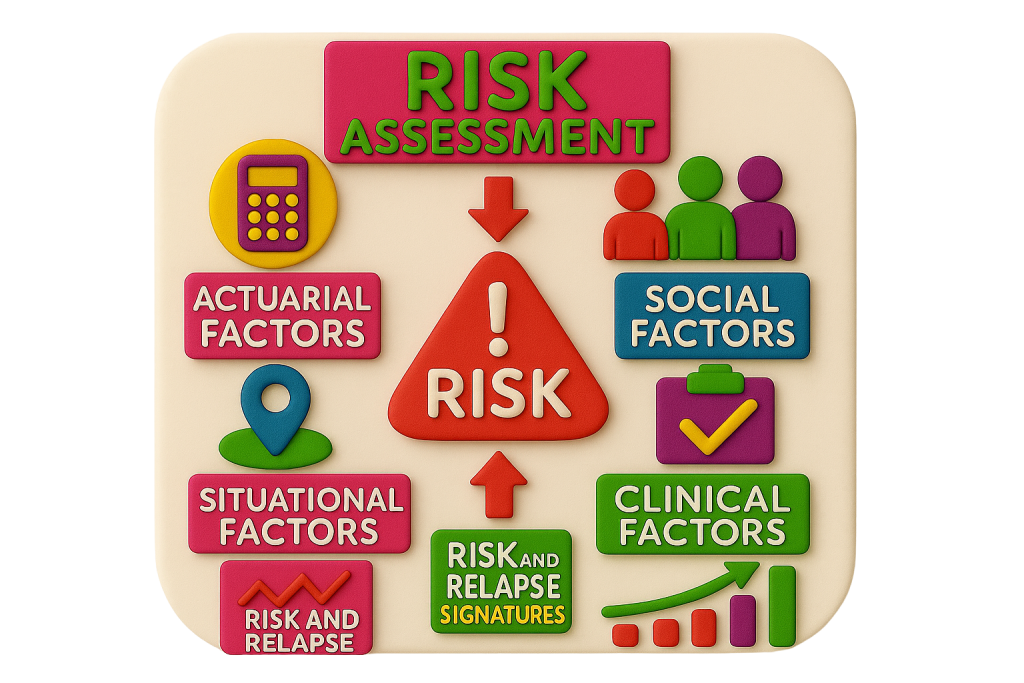
1. Integrated Risk and Recovery Planning
Our digital toolkit supports thorough assessments at admission, covering:
- Physical and mental health screening
- Housing and social vulnerability mapping
- Trauma-informed care planning
- Identification of co-occurring disorders
These assessments feed into dynamic recovery plans that evolve with the service user’s journey. Built-in prompts ensure regular reassessment and alignment with care delivery.
2. Staff Training and NICE Compliance
We offer tailored training modules for all staff levels, including:
- NICE guideline implementation
- Controlled drug management
- Safeguarding and Mental Capacity Act (MCA) compliance
- Inspection-readiness and evidence presentation
We are also able to develop bespoke supervision frameworks and appraisal templates to support ongoing development and sustain ongoing inspection-readiness and quality improvement.
3. Review, Audit, Assurance and Enquiries
Using root cause analysis tools and the Patient Safety Incident Response Framework (PSRIF), our audit and assurance expertise helps teams identify gaps and build confidence.
- RCA and PSRIF investigations and enquiries
- Service, culture and governance reviews
- Improvement planning
- Audit, peer review and critical friend services
4. Policy Development and Regulatory Alignment
Developing, reviewing and testing service specific policies to ensure regulatory compliance that is tailored to the service and aligned to best practice principles and legal frameworks:
- Consent and Confidentiality
- Mental Capacity and Best Interests
- Safeguarding Adults & Children
- Quality Assurance Frameworks and Dashboards
- Governance and assurance frameworks, policies and committee structures.
5. Evidence Mapping & Gap Analysis for SAF Compliance
Our visual evidence-mapping tool helps providers align documentation with the SAF:
- Maps existing evidence to the 34 Quality Statements
- Highlights gaps and duplication
- Supports narrative development for inspection reports
- Enables real-time updates and version control
This ensures services present a coherent, joined-up evidence base that demonstrates not just compliance, but excellence.
Key Benefits for Customers & Partners
- Ongoing Support: Expert guidance and resources for continuous improvement
- Enhanced Compliance: Alignment with regulatory standards and protection of service users’ rights
- Empowered Staff: Practical toolkits and training for confident, consistent care
- Quality Assurance: Self-assessment tools and frameworks to maintain high standards
- Flexible Implementation: Designed for busy services, making change achievable
- Co-Produced Solutions: Shaped through consultation, reflecting real-world needs
Our Sector Experience Includes
- Governance & QA: Structured appraisals, Teams dashboards, and operational alignment
- Clinical Oversight: Prescribing protocol reviews, consent frameworks, and safeguarding toolkits
- Workforce Development: Training in safeguarding, risk, and human rights; peer support networks
- Leadership & EDI: Anti-racism training, leadership presence, and cross-service learning
Case Study: Turning Feedback into Action
We previously partnered with a national substance use provider to embed MCA principles across their organisation. The project delivered:
- A robust Consent and MCA policy
- Practical toolkits
- A competency framework co-produced with staff
Despite sector-wide challenges, our flexible approach enabled teams to uphold service users’ rights, meet statutory requirements, and maintain high standards – supported by training, quality assurance, and practice guidance.
Looking Ahead: Raising Standards Together
The CQC’s new approach is about more than compliance – it’s about care. It’s about listening, responding, and putting people first.
TECWorks is here to help providers meet and exceed expectations through integrated risk management, workforce development, and evidence alignment.
Preparing for inspection or need support? Get in touch.
Together, we can raise standards.

Explore More:
Explore the Full TECWorks × DCC-i Resource LibraryPractical tools, guidance, and lived-experience insight co-created by TECWorks and DCC-i.